Baby Powders for Sensitive Skin

Baby Powders for Sensitive Skin

Boogie and Bean Oatmeal Baby Powder

Babies have delicate skin that can be easily irritated by moisture, friction, or environmental factors. Baby powder is often used to help keep skin dry and comfortable. When choosing the best Baby Powders for sensitive skin, many parents look for gentle formulas with simple ingredients.

Here are some factors to consider when selecting a baby powder.

Look for Simple Ingredients

Baby powders designed for sensitive skin often contain minimal ingredients. Products with simple formulas can reduce the chance of irritation.

Common gentle ingredients include:

  • Oatmeal
  • Aloe
  • Arrowroot
  • Cornstarch
  • Arrowroot powder
  • Kaolin clay

These ingredients help absorb moisture while maintaining a soft texture.

Choose Fragrance-Free or Mildly Scented Options

Some babies may have sensitive reactions to strong fragrances. Many parents choose:

  • Fragrance-free powders
  • Lightly scented natural formulas

Mild formulations can help support comfortable skin care routines.

Consider Cornstarch-Based Powders

Cornstarch-based powders are widely used in baby care products because they:

  • Absorb moisture
  • Help reduce friction
  • Have a smooth, soft texture

Many baby powder brands use cornstarch as their primary ingredient.

Avoid Heavy Formulas

Lightweight powders tend to spread easily and require only a small amount during application.

Using less powder helps minimize airborne particles and keeps the baby comfortable.

How to Use Baby Powder Safely

Regardless of the powder selected, safe application is important.

Helpful guidelines include:

  • Apply powder to your hands first
  • Gently pat onto clean skin
  • Avoid using near the baby’s face
  • Use only small amounts

Following these steps helps maintain a gentle skincare routine.

The Ultimate Guide to Deep Conditioning 4C Kids’ Hair

The Ultimate Guide to Deep Conditioning 4C Kids’ Hair

Caring for 4C kids’ hair requires patience, gentleness, and lots of moisture. Because 4C hair has tight coils and natural shrinkage, it can dry out quickly — especially in children who are active, play often, and may not love long wash days.

Deep conditioning is one of the best ways to keep your child’s hair soft, manageable, and healthy.

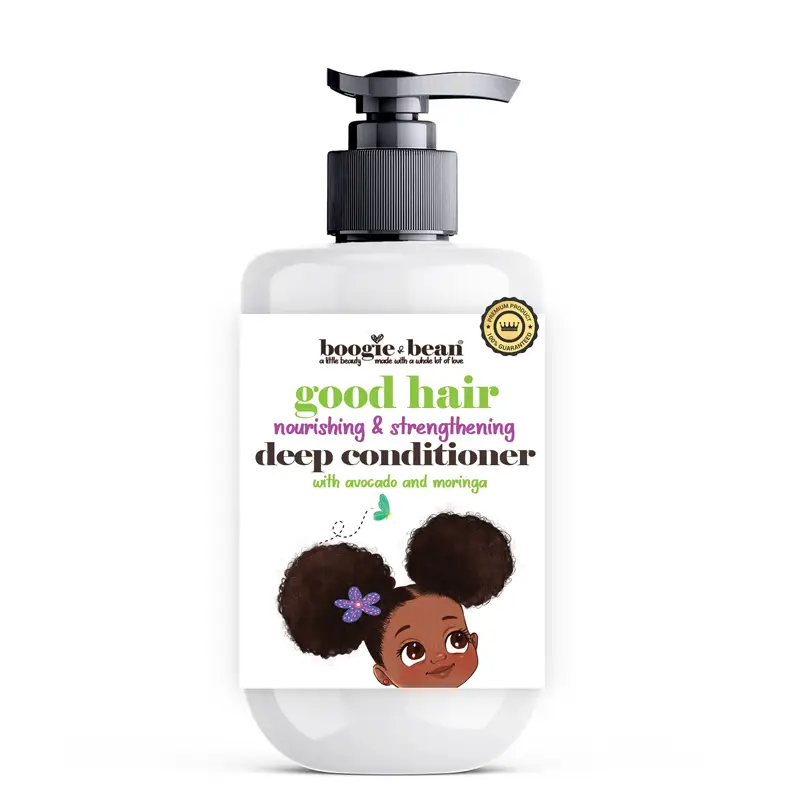
Need products for deep conditioning your kids 4c hair? Try our Boogie and Bean Good Hair Deep Conditioner. It is also available on Amazon


Deep Conditioning 4C Kids’ Hair

Children’s 4C hair:

  • Loses moisture quickly
  • Tangles easily
  • Is delicate and prone to breakage
  • Can become dry between wash days

Deep conditioning restores moisture, improves elasticity, and makes detangling much easier — which means fewer tears on wash day.


How Often Should You Deep Condition?

For most children with 4C hair:

  • Once a week is ideal
  • Every wash day works well
  • After removing braids or protective styles

If your child’s hair feels very dry, you can add a midweek moisture treatment.


How to Deep Condition 4C Kids’ Hair (Step-by-Step)

1. Start With Clean, Damp Hair

Use a gentle, sulfate-free shampoo designed for kids or sensitive scalps.

2. Section the Hair

Divide into 4–6 sections. Working in sections prevents tangling and makes the process quicker.

3. Apply a Moisturizing Deep Conditioner

Focus on:

  • The ends (oldest and driest part)
  • Areas that tangle the most

Use your fingers to gently detangle while the conditioner is in.

4. Add Gentle Heat

Heat helps moisture penetrate the strands.

Kid-friendly options:

  • Plastic cap + warm towel
  • Soft microwaveable heat cap
  • Sitting under a hooded dryer (if your child tolerates it)

Leave on for 15–20 minutes.

5. Rinse With Cool Water

This helps seal in moisture and smooth the cuticle.


Moisture vs. Protein for Kids

Most children’s 4C hair needs moisture more often than protein.

Choose Moisture Treatments if Hair Is:

  • Dry
  • Rough
  • Hard to comb
  • Dull

Use Light Protein Only If Hair Is:

  • Breaking easily
  • Very weak
  • Overly stretchy

Protein treatments for kids should be mild and used sparingly (every 6–8 weeks at most unless advised otherwise).


Tips to Make Wash Day Easier

  • Detangle only when hair is wet and conditioned
  • Use a wide-tooth comb or detangling brush
  • Be gentle around edges
  • Trim ends regularly
  • Follow deep conditioning with a leave-in and seal with a light oil or cream

Turning wash day into a calm routine — with a favorite show or snack — can help kids feel more comfortable.


Signs the Routine Is Working

  • Softer hair
  • Easier detangling
  • Less breakage
  • Healthier-looking ends
  • Styles lasting longer

Consistency is key. When deep conditioning becomes a regular part of your child’s hair routine, you’ll see stronger, healthier growth over time.

Need products for deep conditioning your kids 4c hair? Try our Boogie and Bean Good Hair Deep Conditioner. It is also available on Amazon

Why Fragrance-Free Kids Shampoo Matters

Why Fragrance-Free Kids Shampoo Matters

When choosing a shampoo for children, “fragrance” might seem harmless — but it’s one of the most common causes of scalp irritation and sensitivity. Going fragrance-free can make a noticeable difference, especially for young, delicate skin.

1. Children Have More Sensitive Skin

A child’s scalp barrier is still developing. Added fragrances — even natural essential oils — can trigger redness, itching, dryness, or small bumps. Fragrance-free shampoos reduce the risk of irritation and help keep the scalp balanced.

2. Fewer Hidden Ingredients

The word “fragrance” on a label can represent dozens of undisclosed scent chemicals. Choosing fragrance-free means fewer mystery ingredients and a simpler, more transparent formula.

3. Better for Sensitive or Reactive Scalps

If your child experiences itching after wash day, flakes that aren’t dandruff, or discomfort during shampooing, fragrance could be the culprit. Removing added scent is often the first step in calming a reactive scalp.

4. Tear-Conscious Bath Time

Strong scents can irritate eyes and airways. A mild, unscented shampoo creates a more comfortable bath experience — especially for children who are already sensitive to smells.

5. Ideal for Daily or Frequent Washing

Fragrance-free and unscented shampoos for kids are typically formulated to be gentler, making them a safer choice for regular use without over-drying hair or scalp.


When Should You Choose Fragrance-Free?

  • Sensitive skin or eczema-prone scalp
  • History of product irritation
  • Preference for minimal ingredients
  • Households avoiding synthetic fragrance

A simple, fragrance-free kids shampoo cleans effectively without unnecessary additives — leaving hair fresh, soft, and comfortable.

If you’re building a gentle routine, starting with an unscented cleanser is one of the easiest ways to support healthy hair and scalp from the beginning.

Cornstarch Baby Powder: A Gentle Alternative for Baby’s Skin

Cornstarch Baby Powder: A Gentle Alternative for Baby’s Skin

Boogie and Bean Unscented Baby Powder

When caring for a baby’s delicate skin, parents often look for simple, gentle ingredients they can trust. One product that has gained popularity in recent years is cornstarch baby powder. Used for generations as a natural moisture absorber, cornstarch offers a mild and effective alternative to traditional powders.

What Is Cornstarch Baby Powder?

Cornstarch baby powder is a fine, silky powder made from the starch of corn kernels. In personal care products, cornstarch is valued for its ability to absorb moisture and reduce friction on the skin.

Unlike some traditional powders that were historically made with mineral-based ingredients, cornstarch provides a plant-derived option that many parents prefer when choosing products for their babies.

Cornstarch-based powders are commonly used to help keep areas of the skin dry and comfortable, especially in places where moisture can collect, such as diaper areas, neck folds, and underarms.


Benefits of Cornstarch Baby Powder

1. Helps Absorb Moisture

Babies can experience irritation when moisture becomes trapped against the skin. Cornstarch works by absorbing excess moisture, helping keep the skin dry and comfortable.

2. Reduces Friction

The fine texture of cornstarch creates a smooth barrier that helps reduce rubbing between skin folds, which may help prevent irritation.

3. Soft and Gentle Texture

Cornstarch powders have a light, silky feel, making them easy to apply and comfortable for sensitive skin.

4. Plant-Derived Ingredient

For parents looking for simple formulations, cornstarch is a naturally derived ingredient from corn, making it a popular choice in many baby care products.

5. Multi-Purpose Use

Cornstarch baby powder can be used beyond the diaper area. Many parents apply it lightly to help keep areas such as the neck, thighs, or underarms dry during warm weather.


How to Use Cornstarch Baby Powder Safely

When using any powder for babies, proper application is important.

Tips for safe use:

  • Shake a small amount of powder into your hands first, not directly onto the baby.
  • Gently apply to clean, dry skin.
  • Use sparingly in areas where moisture tends to build up.
  • Keep powder away from baby’s face to avoid inhalation.

Using small amounts helps maintain comfort while minimizing airborne powder.


When Cornstarch Powder May Be Helpful

Cornstarch baby powder may be used in several situations:

  • After diaper changes to help keep skin dry
  • During warm or humid weather
  • For babies with skin folds where moisture collects
  • To reduce friction from clothing or diapers

Keeping skin clean and dry is one of the simplest ways to help maintain baby skin comfort.


Cornstarch vs. Other Baby Powders

Parents often compare cornstarch-based powders with other powder types. Cornstarch powders are typically valued for their smooth feel and moisture-absorbing ability, making them a popular choice in modern baby care formulations.

Many baby care brands now use cornstarch as the primary ingredient in their powders, sometimes combining it with additional skin-conditioning ingredients.


What Can I Do to Help My Child’s Hair Grow?

What Can I Do to Help My Child’s Hair Grow?

As parents, we all want to see our children’s hair healthy, strong, and growing beautifully. For African American and biracial children, hair can be unique, full of curls, coils, and waves that need gentle care. The good news? With the right routine and products, you can support your child’s natural hair growth.

Boogie and Bean Kids Hair Growth Oil

Boogie and Bean Kids Rosemary Hair Oil and Boogie and Bean Rosemary Shampoo


1. Keep the Scalp Clean and Healthy

A healthy scalp is the foundation for healthy kids hair growth. Wash your child’s hair regularly with a gentle, tear-free shampoo for kids like our Boogie and Bean Kids Shampoos that won’t strip natural oils. Look for sulfate-free formulas made with moisturizing ingredients like aloe vera, shea butter, or coconut oil.

👉 Tip: Over-washing can dry out curls. For most kids, washing once a week is enough.


2. Moisturize Daily

Curly and coily kids hair tends to be dry, and dryness can cause breakage. Daily moisturizing with a kid-safe leave-in conditioner, hair butter, or detangling spray helps lock in hydration and prevents knots that can lead to breakage.

👉 Bonus: Focus on the ends of the hair, since that’s the oldest and most fragile part.


3. Detangle with Care

Tugging and pulling can cause hair loss and breakage. Use a wide-tooth comb or detangling brush on damp, conditioned hair. Start at the ends and work your way up. For extra slip, apply our Boogie and Bean kids detangler spray for curly hair before combing.


4. Protective Styles for Growth

Styles like braids, twists, puffs, and cornrows can protect your child’s hair from constant manipulation. Just be sure the style isn’t too tight—tight braids, plaits, cornrows and twists can damage the hairline. Please also protect against heat damage from blow dryers and be very careful with hair accessories that can pull and tug on the hair and scalp leading to damage and ongoing breakage.

👉 Rotate protective styles and give the hair breaks in between to avoid stress on the scalp.


5. Nourish from the Inside Out

Kids hair health and growth starts with nutrition. Foods rich in protein, iron, vitamin D, and omega-3s support strong hair. Encourage your child to eat fruits, veggies, and protein-packed meals. Hydration is just as important—make sure they’re drinking enough water daily.


6. Be Consistent and Patient

Hair growth is a journey. On average, children’s hair grows about half an inch per month. Consistency with moisturizing, gentle detangling, and protective styling will pay off over time. Celebrate progress, no matter how small!


Kids Hair Growth

Did we answer your question on ” What Can I Do to Help My Child’s Hair Grow? ” Helping your child’s hair grow is less about speeding up growth and more about preventing breakage, nourishing the scalp, and protecting curls. With patience, the right products, and a loving routine, your child’s hair will thrive.

🌟 Explore our collection of Boogie and Bean kids hair care products —from gentle shampoos to moisturizing detanglers and nourishing kids hair growth oil—everything you need for healthy, happy hair.

Product Recall Notice

Snot and Sneeze Vapor Drops Product Recall Notice

9/2/2025

Important Safety Information – Product Recall Due to Incorrect Labeling

Dear Valued Customers,

We are issuing a voluntary recall for the following product due to a labeling error:

Product Name: Boogie and Bean Snot and Sneeze Vapor Drops
SKU / Item Number: Amazon W5-1ZKJ-K5HW | Boogie and Bean BB156 | 735940117753
Lot/Batch Number(s): L01719
Possible Purchase Dates: November 25th, 2024 – June 19th, 2025

It has come to our attention that the label on this product does not accurately reflect its contents. They are vapor drops but are labelled as chest rubs. While the product itself is safe when used as intended, the incorrect labeling may cause confusion or potential safety issues, especially for individuals with allergies or sensitivities.

What You Should Do

  • Please discontinue use of the affected product immediately.
  • If you purchased this item, please return it to the place of purchase for a full refund or replacement.
  • If you have any concerns or questions, please contact our customer service team at:

📞 Phone: 561-510-6045
📧 Email: hello@boogieandbean.com
🕘 Hours: 9 am to 5pm est

We sincerely apologize for the inconvenience and appreciate your understanding and continued support.

Sincerely,
Boogie and Bean LLC
hello@boogieandbean.com

Back To School Hairstyles for Kids

10 Easy Back-to-School Hairstyles for Kids (That Moms Can Do in Minutes)

When the school year starts, busy mornings can make hairstyling feel like a challenge. We know moms want long lasting, and protective kids hairstyles that are gentle on the hair and scalp. Whether your child has curly, coily, or wavy hair or braids and twists, these back toschool hairstyles for kids are easy to create and will last a while.

VIEW KIDS BACK TO SCHOOL HAIR STYLE PHOTOS


1️⃣ Classic Ponytail with a Twist

Back to School Hairstyles for Kids: Creative Ideas

  • Why Moms Love It: Simple, neat, and keeps hair out of kids face.
  • How to Do It: Gather hair into a high or low ponytail, then wrap a small section of hair around the hair tie for a polished finish.
  • Pro Tip: Use a lightweight kids’ hair gel to tame flyaways without stiffness.

2️⃣ Double Puff Afro Buns

  • Perfect For: Natural curls and coils.
  • How to Do It: Part hair down the middle and secure two high buns on each side.
  • Why It Works: Cute, playful, and protects ends from tangling during playtime.

3️⃣ Braided Crown

  • Look: A princess-inspired kids braid around the head.
  • Steps: Create two braids from each side and pin them across the crown of the head.
  • Great For: Picture day or special events.

4️⃣ Bubble Ponytails

  • Fun Style: Add small hair elastics down a ponytail to create “bubbles.”
  • Ideal For: Straight or wavy hair.
  • Bonus: Kids love this trendy hairstyle, Instagram-worthy style.

5️⃣ Protective Box Braids or Twists

  • Why Moms Choose This: Long-lasting, low-maintenance, and protects hair during school sports.
  • Tip: Moisturize scalp with a kids’ braid and scalp spray to prevent dryness.

6️⃣ Half-Up, Half-Down Style

  • Quick Fix: Secure the top half of hair in a bun or ponytail, leave the rest down.
  • Perfect For: All hair types; especially curly textures for volume.

7️⃣ Cornrow Ponytail

  • Benefits: Keeps hair neat for a full week with minimal upkeep.
  • Steps: Cornrow the front of the hair and gather the ends into a ponytail or bun.

8️⃣ Cute Side Braids

  • Look: Two small braids on one or both sides, blended into loose hair.
  • Fast: 5 minutes and done!

9️⃣ Sleek Low Bun

  • Professional & Tidy: Ideal for school presentations or uniform days.
  • How to: Smooth hair with moisturizing butter or gel and secure into a low bun.

🔟 Decorative Beads and Accessories

  • Why Kids Love It: Adds personality and color to any hairstyle.
  • Options: Clips, ribbons, beads that match school colors.


Is Cocoa Butter Safe for Babies?

Is Cocoa Butter Safe for Babies? What Parents Need to Know

As parents, we all want the best for our babies — especially when it comes to caring for their delicate skin. From dry cheeks to cradle cap to little rough patches, it’s normal to wonder which ingredients are truly gentle enough for your baby’s sensitive skin. One natural moisturizer that has stood the test of time is cocoa butter. But is cocoa butter really safe for babies? Let’s break it down together so you can feel confident using it at home. Try Boogie and Bean Cocoa Buuter for Babies and Kids


🌿 What is Cocoa Butter?

Cocoa butter is a rich, creamy fat that comes from the same cocoa beans used to make chocolate. After the beans are harvested, they’re roasted and pressed to extract this nourishing, solid oil. Unlike chocolate, pure cocoa butter contains no sugar or additives — just nature’s own plant-based moisturizer.

Many parents love cocoa butter for babies because it naturally contains healthy fatty acids and vitamin E. These help form a barrier on the skin, keeping it soft, smooth, and protected against dryness.


Why Do Parents Use Cocoa Butter for Babies?

There are good reasons cocoa butter has been a trusted family staple for generations. Here’s why so many parents still reach for it today:

  • Deep moisture: Babies have thinner skin than adults, which means they lose moisture faster. Cocoa butter helps lock in hydration and protect that fragile barrier.
  • Soothes rough patches: From dry elbows to chapped cheeks, cocoa butter’s creamy texture helps soften and smooth out little dry spots.
  • Mild natural scent: Pure cocoa butter has a light, chocolatey smell — no harsh perfumes needed.
  • Simple & natural: Many parents like that pure cocoa butter is a single-ingredient product — no parabens, dyes, or unnecessary chemicals.

⚠️ Is Cocoa Butter Really Safe for Babies?

In most cases, yes — pure, unrefined cocoa butter is considered safe for babies when used correctly. But like any skincare ingredient, there are a few things parents should know before adding it to their baby’s routine:


🧴 Always Choose Pure, High-Quality Cocoa Butter

Not all cocoa butter is the same. Some commercial lotions and creams labeled “cocoa butter” are actually blends with added fragrances, dyes, or chemicals that may irritate sensitive baby skin.

What to look for:
✔️ 100% pure, unrefined cocoa butter
✔️ Cold-pressed or minimally processed
✔️ No added scents, parabens, or fillers

A good test? The ingredient label should say just “Theobroma Cacao (Cocoa) Seed Butter” — nothing more.


🔬 Do a Simple Patch Test

Even natural ingredients can sometimes cause reactions — especially if your baby has very sensitive skin or a known allergy. Before you apply cocoa butter all over, do a quick patch test:

  • Warm a small amount of cocoa butter between your hands.
  • Gently apply a tiny bit to your baby’s forearm or leg.
  • Wait 24 hours and watch for redness or irritation.

If the skin stays clear and calm, you’re good to go!


💧 How to Use Cocoa Butter Safely on Babies

Here are a few gentle ways to add cocoa butter to your baby’s routine:

✨ After bath time:
Warm a small amount between your fingers and massage onto damp skin to help lock in moisture. Focus on dry areas like elbows, knees, or cheeks.

✨ For mild cradle cap:
Some parents use a tiny dab of cocoa butter to help soften flaky scalp patches. (Always talk to your pediatrician if you’re unsure.)

✨ Diaper area:
Skip using cocoa butter directly in the diaper area unless your pediatrician gives the green light. It’s better for external dry spots only.


🚫 When Not to Use It

While cocoa butter is safe for most babies, skip it if your baby has:

  • A known cocoa or chocolate allergy (rare but possible)
  • Deep cuts or open wounds (stick to your pediatrician’s care instructions instead)

Always check with your doctor if your baby has eczema, persistent rashes, or other skin conditions that need special care.

Vapor Baths for Babies and Toddlers

When your baby or toddler has a stuffy nose or mild cold, it can be tough watching them struggle to breathe easily — especially at night. Many parents look for gentle, natural ways to help their little one feel better, and one soothing option that comes up a lot is the Vapor Baths for Babies and Toddlers.

Vapor Baths for Babies and Toddlers are becoming increasingly popular among parents who seek natural remedies. Many parents have found that Vapor Baths offer a soothing experience during cold symptoms. Vapor Baths can provide an extra layer of comfort for babies and toddlers. But are vapor baths safe? What ingredients are okay? How can you use them wisely? Let’s break down what a vapor bath is and how it works.

It’s important to look for safe ingredients to ensure a positive experience. Let’s explore how to use vapor baths safely for your little one. The warmth and soothing nature of Vapor Baths can aid in recovery. Using Vapor Baths for Babies and Toddlers can be a gentle approach to relieving congestion and providing comfort.


🌬️ What is a Vapor Bath?

A vapor bath is simply a warm bath that contains gentle, soothing vapors — usually from mild essential oils, salts or plant-based ingredients — that help open nasal passages and make breathing feel easier. Think of it as a baby-friendly version of a steamy shower with a safe twist.

Parents often praise the effectiveness of Vapor Baths for Babies and Toddlers in calming their children. Many parents find that a warm bath alone can help loosen mucus and calm a fussy baby. Adding safe, mild vapors can boost the soothing effect — as long as it’s done correctly.


👶 Benefits of Vapor Baths for Babies and Toddlers

  • Warmth and Steam: A warm bath naturally creates steam, which can help loosen stuffy noses and ease mild congestion.
  • Relaxation: A warm soak helps relax tight little bodies, making bedtime easier when your child isn’t feeling their best.
  • Mild Aromatherapy: Some vapor bath products include safe levels of gentle essential oils, like lavender or eucalyptus, which can add a comforting scent. Always check age-appropriateness!

⚠️ Important: Always Use Age-Appropriate Ingredients

Babies and toddlers have sensitive skin and developing lungs. Strong essential oils for adults — like menthol or camphor — can be unsafe for small children if used incorrectly.

Good to know:

  • For babies under 6 months, it’s safest to skip added oils entirely and stick to plain warm baths for steam only.
  • For older babies and toddlers (6+ months), use only child-safe formulations made for little ones — and always follow the label directions.
  • Never add pure essential oils directly to bath water — they can float on top, cling to skin, and cause irritation.


Safe Vapor Bath Tips

Always dry your baby’s skin well and dress them warmly afterward after using a vapor bath.

✔️ Pick baby-specific products:
Use a vapor bath or baby soak designed specifically for infants and toddlers. These are diluted and balanced for sensitive skin and gentle breathing.

✔️ Keep it mild:
Even with a baby-safe vapor bath, less is more. Follow the amount suggested on the label — adding extra won’t make it “work better.”

✔️ Short bath time:
Keep vapor baths short and warm — about 10–15 minutes is plenty for little ones.

✔️ Watch the water temperature:
Warm, not hot! Babies’ skin is delicate and overheats easily. Aim for around 98–100°F (37–38°C).

✔️ Never leave baby unattended:
Stay with your child at all times during bath time, especially when they’re not feeling well.


Routine use of Vapor Baths for Babies and Toddlers can help establish a comforting bedtime ritual.

🚫 What to Avoid

It’s essential to avoid using products not designed for Vapor Baths for Babies and Toddlers.

  • No adult vapor rubs: These often contain camphor or menthol at levels that can be unsafe for babies and toddlers.
  • No direct essential oils: Never drop undiluted eucalyptus, peppermint, or other strong oils into the bath.
  • No long soaks: Overheating can make little ones feel worse.

Always opt for products that are specifically formulated for babies and toddlers.

🌼 Simple Home Alternative: The Plain Steam Bath

If you don’t have a baby vapor bath product handy, here’s a safe alternative: run a warm bath and sit with your baby in a steamy bathroom for 5–10 minutes. The warm steam alone can help loosen stuffy noses. Always dry your baby’s skin well and dress them warmly afterward.


💤 Other Gentle Ways to Help a Stuffy Baby

A simple steam bath without additives can mimic the effects of Vapor Baths for Babies and Toddlers.

  • Use a cool-mist humidifier in their room at night.
  • Keep them hydrated — fluids help loosen mucus.
  • Use a nasal bulb or baby-safe saline drops to clear little noses.
  • Keep your baby’s head slightly elevated during sleep (always follow safe sleep guidelines — never prop them up with pillows).

💚 Final Thoughts: Are Vapor Baths Safe for Babies?

Remember to consider other gentle methods alongside Vapor Baths for Babies and Toddlers. When used correctly, vapor baths can be a gentle, comforting way to help ease mild stuffiness. A soothing bedtime bath can help your little one breathe easier — and a calm night means more rest for you too.


Looking for a gentle, kid-safe vapor soak for your toddlers?
We make natural bath soaks designed for sensitive little ones — no harsh chemicals, no overpowering scents. Just simple, soothing comfort for stuffy nights. 💧🌿Try Boogie and Bean Vapor Bath for Kids and Vapor Bath for Kids Bedtime.

Safety: Kids 2 years old and older. For External Use Only. Do Not Ingest. Keep away from children. Product is not recommended for newborns or young babies. Do not apply around eyes or to broken or irritated skin. If eye contact occurs flush with water. Excessive use or prolonged exposure may cause irritation to skin or urinary tract. Discontinue use if rash, redness, or itching occurs. Consult your physician before using any product with essential oils and/or if you are pregnant, breastfeeding or have any medical conditions. This product is not intended to diagnose, treat, cure, or prevent any illness or disease.  As with all products for babies and kids, please consult with your pediatrician before using. Do not use on sensitive, broken or irritated skin. Keep packaging sealed and store away from children in a cool, dry area.

0

Search for products

Back to Top
Product has been added to your cart